
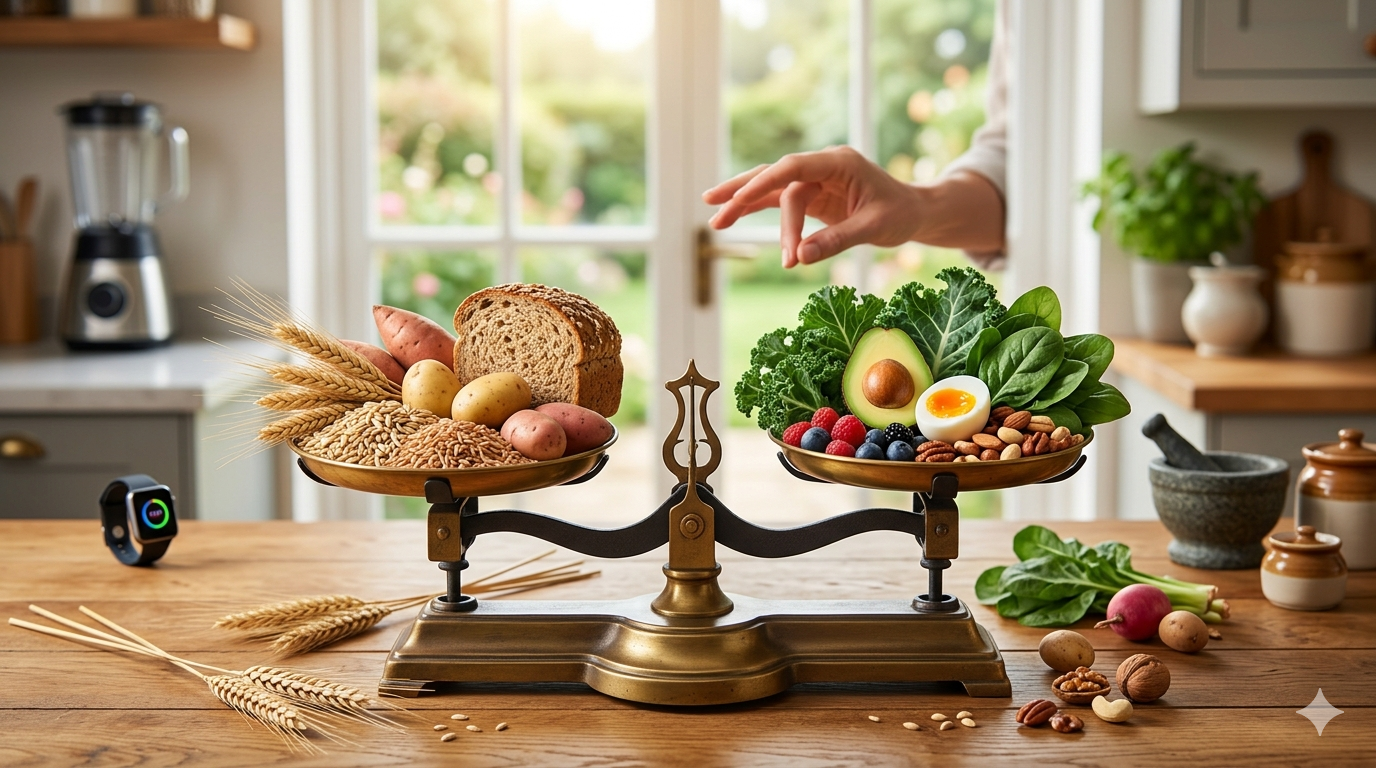
Few food topics create as much confusion as starch and grains.
Some people see starch as a normal and necessary part of human diets. Rice, potatoes, oats, corn, wheat, millet, barley, yams, beans, and other starchy foods have fed communities for thousands of years. Many of the world’s traditional cuisines are built around staple starches.
Other people see starch as a modern problem. They associate bread, pasta, rice, cereal, potatoes, and flour-based foods with weight gain, blood sugar issues, cravings, and metabolic health concerns.
So which view is correct?
The answer is not simple because starch is not one thing.
A boiled potato is not the same as potato chips.
Steamed rice with fish and vegetables is not the same as a sweet rice snack.
Traditional sourdough bread is not the same as a soft packaged pastry.
Oats with nuts and yogurt are not the same as sugary breakfast cereal.
Corn tortillas are not the same as flavored corn chips.
Beans are not the same as refined starch powders.
Starch and grains can be helpful, neutral, or problematic depending on the food, preparation, portion, meal context, and the person eating them.
A balanced guide to starch and grains should avoid two extremes: treating all starch as harmful or treating all grain-based foods as automatically healthy.
The better approach is to ask: what kind of starch, prepared how, eaten with what, and in what lifestyle?
What Is Starch?
Starch is a type of carbohydrate found in many plants. Plants use starch as a way to store energy. Humans eat starch from foods such as grains, roots, tubers, legumes, and some fruits.
Common starchy foods include:
Rice
Wheat
Oats
Corn
Barley
Rye
Millet
Sorghum
Potatoes
Sweet potatoes
Yams
Cassava
Taro
Plantains
Beans
Lentils
Peas
Chickpeas
Buckwheat
Quinoa
When we eat starch, digestion breaks it down into glucose, which the body can use for energy. This is one reason starchy foods have been important throughout human history. They are reliable sources of energy, especially for active people and communities doing physical work.
But starch does not act the same in every food.
The structure of the food matters. The amount of fiber matters. The level of processing matters. Cooking and cooling can change starch behavior. Pairing starch with protein, fat, vegetables, or acidic foods can change the meal experience. Personal metabolic health also matters.
This is why starch cannot be judged only by the word “carbohydrate.”
Why Starch Became Important in Human Diets
Starchy foods became important because they are practical.
Many starch-rich foods can grow in large amounts, store well, feed families, and provide steady energy. Grains and tubers helped support farming societies because they could produce many calories from land and labor. Rice, wheat, maize, millet, potatoes, cassava, and other staples helped build civilizations.
Starch also became culturally meaningful.
Rice became central to many Asian cuisines. Wheat became bread, noodles, dumplings, and flatbreads. Corn became tortillas, tamales, porridges, and regional dishes. Potatoes became a staple in many cold and temperate regions. Cassava and yams fed communities in tropical regions. Oats and barley became porridges, soups, and breads.
In traditional diets, starch was rarely eaten as isolated refined carbohydrate. It was usually part of a meal pattern.
Rice came with fish, vegetables, broth, eggs, tofu, herbs, or fermented sauces. Bread came with soups, beans, cheese, olive oil, vegetables, or meat. Potatoes came with greens, dairy, fish, meat, herbs, or pickled foods. Corn came with beans, squash, chili, vegetables, or sauces.
The starch was the foundation, not the whole house.
Starch Is Not the Same as Sugar
Starch and sugar are both carbohydrates, but they are not the same in food form.
Sugar is simpler and often tastes sweet. Starch is made of longer chains of glucose and is found in foods such as grains, legumes, roots, and tubers. But once digested, starch can still contribute glucose to the bloodstream.
This is why some people worry about starch and blood sugar.
However, the body’s response depends on the type of starchy food. A whole bean, a boiled potato, a bowl of oats, a slice of sourdough bread, and a sugary cereal are all very different. Some contain fiber, protein, resistant starch, minerals, and intact structure. Others are refined, sweetened, and easy to overeat.
The problem is not simply that a food contains starch. The problem often comes from refined starch combined with added sugar, refined oils, low fiber, soft texture, large portions, and low activity.
A traditional starchy food eaten in a balanced meal is very different from an ultra-processed snack made from starch.
Whole Starches vs Refined Starches
The most important distinction is between whole or minimally processed starches and refined starch products.
Whole or minimally processed starches include foods such as:
Boiled potatoes
Sweet potatoes
Brown rice or traditional white rice in balanced meals
Oats
Barley
Millet
Beans
Lentils
Corn tortillas
Whole-grain sourdough
Cooked root vegetables
Traditional porridges
Starchy vegetables
Legumes
Refined starch products include foods such as:
White flour snacks
Sweet pastries
Packaged cookies
Crackers
Sugary cereals
Instant sweetened grain products
Chips
Refined noodles with low nutrient value
Snack cakes
Starch-based processed foods
Many fast-food buns and fried starches
Whole starches usually require chewing and often provide fiber, water, minerals, or other nutrients. Refined starch products are usually softer, quicker to digest, easier to overeat, and often combined with sugar, oils, and salt.
This does not mean every refined grain food must be avoided forever. But if refined starch products become the foundation of the diet, they can crowd out more nourishing foods.
A balanced diet usually benefits from making whole or traditionally prepared starches the default and refined starch products occasional.
Why Grains Are So Debated
Grains are debated because they sit at the center of many issues.
They are ancient staples in many agricultural diets. They provide energy and can be affordable. Whole grains may provide fiber, minerals, and plant compounds. Fermented grain foods can be culturally important and satisfying.
At the same time, many modern grain products are highly refined. Wheat flour, corn starch, rice flour, and other refined grain ingredients appear in countless packaged foods. Many grain-based products are sweetened, flavored, fried, or ultra-processed.
This creates confusion.
When one person says grains are healthy, they may be thinking of oats, barley soup, sourdough bread, millet porridge, rice with vegetables, or traditional corn tortillas.
When another person says grains are unhealthy, they may be thinking of pastries, sugary cereals, crackers, chips, white bread, cookies, and refined flour snacks.
Both are using the same word, but they are not talking about the same foods.
The grain category is too broad. We need to discuss form, preparation, and context.
Traditional Grain Preparation Matters
Traditional cultures often prepared grains carefully.
They soaked, cooked, fermented, sprouted, ground, boiled, steamed, baked, or combined grains with other foods. These methods improved texture, flavor, digestibility, storage, and satisfaction.
For example:
Sourdough fermentation changed wheat dough before baking.
Rice was steamed, boiled, or cooked into congee.
Corn was traditionally processed into tortillas or porridges.
Oats were cooked into porridge.
Millet and sorghum were made into flatbreads or fermented foods.
Grains were paired with beans, vegetables, soups, broths, dairy, fish, or sauces.
Modern processing is different. It often removes fiber, speeds production, softens texture, adds sugar, and creates products designed for convenience.
This is why a traditional grain food and a modern packaged grain snack should not be treated as equal.
Preparation is not a minor detail. It is part of the food.
The Role of Fiber
Fiber is one reason whole starchy foods often behave differently from refined starches.
Fiber slows eating, supports digestive regularity, feeds certain gut microbes, and adds bulk to meals. Whole grains, beans, lentils, oats, barley, roots, and tubers can all contribute fiber depending on the food and preparation.
Refined starch products often contain much less fiber. Without fiber and intact structure, they may be easier to consume quickly and may not support satiety in the same way.
However, fiber tolerance varies.
Some people feel better with more fiber. Others, especially those with certain digestive conditions, may experience bloating, gas, pain, or discomfort from specific fibers or large increases in fiber intake. Beans, wheat, certain grains, and some starchy vegetables can be challenging for some people.
The best approach is gradual and personal. Choose fiber-rich starches you tolerate well, prepare them properly, and adjust based on your body.
Resistant Starch: A Useful Concept
Resistant starch is a type of starch that resists digestion in the small intestine and reaches the large intestine, where it can be fermented by gut bacteria.
Some resistant starch is naturally found in foods such as legumes, green bananas, oats, and cooked-and-cooled potatoes or rice. Cooking and cooling certain starches can increase resistant starch content.
This does not mean everyone should eat large amounts of resistant starch. Some people tolerate it well, while others may experience gas or bloating. But the concept shows that starch is more complex than simply “carbs become sugar.”
The structure and preparation of starch matter.
A freshly baked refined pastry and a cooled potato salad do not behave the same way. A serving of lentils is different from a refined cracker. A bowl of oats is different from a sugary cereal.
Starch quality matters.
Starch and Blood Sugar
Starchy foods can affect blood sugar because starch is broken down into glucose. But the effect varies widely.
Several factors influence blood sugar response:
Type of starch
Degree of processing
Fiber content
Portion size
Cooking method
Meal composition
Ripeness in some foods
Physical activity
Individual insulin sensitivity
Sleep and stress
Metabolic health
A large portion of refined starch eaten alone may raise blood sugar more quickly than a smaller portion of whole starch eaten with protein, vegetables, fat, and fiber.
This is why people with diabetes or insulin resistance often need to pay attention to starch portions and types. Some may do better with beans, lentils, oats, barley, or smaller servings of rice or potatoes. Others may need more specific guidance.
The goal is not to create fear of starch. The goal is to make starch fit the person.
If blood sugar is a concern, work with a qualified healthcare professional.
Starch and Satiety
Satiety means how full and satisfied a food makes you feel.
Some starchy foods can be very satisfying. Potatoes, oats, beans, lentils, and whole grains may help people feel full when eaten in balanced meals. Other starches, especially refined snacks, may be easy to overeat and less satisfying.
Texture matters. Chewing matters. Water content matters. Protein and fiber matter. Fat and flavor balance also matter.
A baked potato with yogurt, herbs, vegetables, and protein is very different from potato chips. Beans in a stew are different from refined flour crackers. Oats with nuts and berries are different from sweet cereal.
When starch is eaten as part of a complete meal, it often supports satisfaction better than when it appears as a refined snack.
A practical rule: starch should usually be part of a meal, not the whole meal.
Starch and Physical Activity
Activity changes how the body uses carbohydrates.
People who are physically active often tolerate more starch because muscles use glucose for energy and store it as glycogen. Athletes, laborers, children, and people with high activity levels may need more carbohydrate-rich foods than sedentary individuals.
Traditional starchy diets often existed alongside physical work. Farming, walking, carrying, cooking, fishing, gathering, and manual labor were part of daily life.
Modern sedentary routines change the equation.
A diet high in refined starch and sugar may be more problematic when paired with low movement, poor sleep, chronic stress, and frequent snacking. This does not mean starch is bad. It means lifestyle context matters.
If someone eats starch-rich meals, daily movement can help support metabolic health. Walking after meals, strength training, household movement, outdoor activity, and reduced sitting can all make a difference.
Food and movement belong together.
Potatoes and Root Starches
Potatoes, sweet potatoes, yams, taro, cassava, and other roots or tubers are important traditional starches in many cultures.
These foods are often more intact than refined grain products. They contain water, structure, fiber, potassium, and other nutrients depending on the type. They can be boiled, roasted, steamed, mashed, fermented, dried, or used in stews.
However, preparation changes everything.
Boiled potatoes are not the same as fries. Sweet potatoes are not the same as sweet potato chips. Cassava requires proper preparation in traditional contexts. Root vegetables with herbs, protein, and vegetables are different from fried starch snacks.
Roots and tubers can be valuable foods, but they work best when prepared simply and eaten as part of balanced meals.
Rice: A Staple with Many Contexts
Rice feeds a large part of the world.
It is easy to digest for many people, versatile, affordable, and central to many traditional cuisines. But rice is often debated because it is high in starch and many forms are low in fiber, especially polished white rice.
The key is context.
Rice eaten with vegetables, fish, eggs, tofu, legumes, soup, herbs, and fermented condiments is different from rice eaten in oversized portions with sugary drinks and processed meats. Rice for an active person may fit differently than rice for someone with blood sugar concerns.
Brown rice contains more fiber and minerals, but some people digest white rice more easily. Neither is universally perfect. The best choice depends on the person, meal, and overall diet.
A balanced approach is to treat rice as a meal component, not the entire meal.
Wheat: Bread, Pasta, and Beyond
Wheat is one of the most widely consumed grains, and one of the most controversial.
Traditional wheat foods include breads, flatbreads, noodles, porridges, dumplings, couscous, bulgur, and fermented doughs. Modern wheat products include pastries, cookies, crackers, snack foods, sweet breads, and refined flour products.
Wheat contains gluten, which is necessary to avoid for people with celiac disease and problematic for some people with wheat allergy or gluten sensitivity. Others tolerate wheat well, especially in less processed or fermented forms.
The issue is not only wheat itself. The issue is the modern wheat food environment. Many wheat products are refined, sweetened, softened, and eaten frequently.
If you tolerate wheat, choosing better forms matters: sourdough, whole-grain bread, bulgur, traditional flatbreads, or wheat foods eaten with balanced meals. If you do not tolerate wheat, there are many other starches: rice, potatoes, oats, millet, buckwheat, quinoa, corn, beans, and roots.
Personal tolerance should guide the choice.
Corn: Traditional Staple or Processed Snack?
Corn has fed civilizations and remains an important staple in many cultures.
Traditional corn foods include tortillas, tamales, porridges, hominy, and regional dishes. In some traditions, corn is treated with alkaline solutions, a process known as nixtamalization, which changes its nutrition, flavor, and texture.
Modern corn appears in a very different form in many processed foods: corn syrup, corn starch, corn chips, refined corn snacks, and sweetened products.
This difference is essential.
Traditional corn foods can be part of balanced meals. Highly processed corn-based snacks are a different category.
The question is not “Is corn good or bad?” The question is: is it a traditional food or an industrial ingredient?
Beans and Legumes as Starchy Foods
Beans, lentils, chickpeas, peas, and other legumes contain starch, but they also contain protein and fiber. This makes them different from many refined starches.
Legumes have nourished many traditional diets because they are affordable, filling, and versatile. They often pair well with grains, creating balanced meals across many cultures.
However, legumes can cause gas or digestive discomfort for some people. Preparation matters. Soaking, rinsing, cooking thoroughly, fermenting, sprouting, or starting with small portions can improve tolerance for many individuals.
Legumes show why starch should not be judged only by carbohydrate content. A lentil stew is not the same as a refined flour snack.
The Problem with Ultra-Processed Starch
The biggest modern starch problem is often ultra-processing.
Ultra-processed starch foods are typically designed to be convenient, cheap, shelf-stable, and highly palatable. They may combine refined starch with added sugar, refined oils, salt, artificial flavors, and soft or crunchy textures that encourage overeating.
Examples include many chips, crackers, cookies, cakes, sweet cereals, instant snacks, pastries, and fast-food starches.
These foods can displace more nourishing meals. They can also make it easier to consume large amounts of calories without feeling satisfied.
A person does not need to eliminate every processed starch forever, but these foods should not form the foundation of daily eating.
Traditional starches belong in meals. Ultra-processed starches often belong to snacking culture.
That difference matters.
How to Build a Balanced Starch Plate
A balanced starch plate does not require strict rules.
Start with a portion of a starchy food that fits your needs. Add protein. Add vegetables or plants. Add fat or flavor. Add acidity, herbs, spices, or fermented foods for satisfaction.
Examples:
Rice with fish, greens, herbs, and fermented vegetables
Potatoes with eggs, yogurt sauce, and salad
Oats with nuts, berries, and plain yogurt
Beans with corn tortillas, salsa, avocado, and vegetables
Sourdough bread with soup and cheese or eggs
Lentil stew with herbs and olive oil
Sweet potato with beans, greens, and tahini sauce
Barley soup with vegetables and protein
Millet porridge with seeds and fruit
Buckwheat with mushrooms, greens, and yogurt
In these meals, starch supports the plate but does not dominate it.
Starch Portions: How Much Is Enough?
There is no perfect starch portion for everyone.
A highly active person may need more starch. A sedentary person may need less. Someone with diabetes may need careful portion planning. Someone recovering from intense exercise may benefit from more carbohydrate. Someone with digestive issues may need specific types and amounts.
Instead of copying a universal rule, use practical signals:
Do you feel satisfied after meals?
Do you feel sleepy or sluggish after large starch portions?
Do you get hungry quickly after refined starch?
Do you feel better with starch at breakfast, lunch, or dinner?
Does pairing starch with protein and vegetables help?
Do certain starches cause bloating or discomfort?
Do your lab markers suggest you need medical guidance?
A good portion is not only about the plate. It is about the person.
Should You Eat Low-Carb?
Low-carb diets can help some people, especially when they reduce refined starches, added sugars, and ultra-processed foods. Some people feel better with fewer carbohydrates and more protein, vegetables, and healthy fats.
But low-carb is not necessary for everyone.
Many traditional diets include starch and can still be balanced when built from whole foods and paired with activity. Some people feel better with moderate amounts of starch, especially from roots, rice, oats, beans, lentils, or properly prepared grains.
The best approach is not ideology. It is feedback.
If reducing refined carbs improves your energy and cravings, that is useful information. If adding whole-food starch helps your workouts, sleep, mood, or satisfaction, that is also useful information.
The goal is not to join a diet tribe. The goal is to find a sustainable pattern that supports your body.
Practical Tips for Eating Starch Wisely
Choose whole or minimally processed starches more often.
Treat refined starch snacks as occasional foods, not daily staples.
Pair starch with protein, vegetables, and fat.
Use traditional preparation methods when possible.
Try fermented or sourdough grain foods if tolerated.
Choose cooked roots instead of fried starch snacks.
Use beans and lentils if they fit your digestion.
Be mindful with portions if you are less active.
Move after meals when possible.
Pay attention to blood sugar if you have metabolic concerns.
Choose starches that fit your culture and body.
Avoid making starch the only satisfying part of the meal.
These tips are simple, but they can transform how starch fits into your diet.
A Simple Starch Quality Checklist
Before eating a starchy food, ask:
Is it close to its whole form?
Has it been refined heavily?
Was it cooked, soaked, fermented, or prepared traditionally?
Does it contain added sugar or refined oils?
Is it part of a meal or a snack?
Am I eating it with protein and vegetables?
Is the portion realistic for my activity level?
Does my body tolerate it well?
This checklist avoids fear and helps build awareness.
Common Myths About Starch and Grains
Myth 1: All starch is bad
Starch is found in many traditional foods that have nourished people for centuries. The form, amount, preparation, and context matter.
Myth 2: All whole grains are automatically healthy for everyone
Whole grains can be valuable, but some people may not tolerate certain grains well. Personal digestion and medical conditions matter.
Myth 3: White rice is the same as candy
White rice is a starchy staple, not candy. However, portion, meal context, and metabolic health matter.
Myth 4: Gluten-free means healthier
Gluten-free foods are essential for people with celiac disease or gluten-related disorders, but many gluten-free packaged products are still refined starch products.
Myth 5: Potatoes are unhealthy
Potatoes can be nourishing when boiled, baked, or cooked simply. Fries and chips are different foods.
Myth 6: Traditional starches and processed starch snacks are the same
They are not. Traditional starches are usually meal foods. Processed starch snacks are often engineered for convenience and overeating.
When to Seek Professional Guidance
Starch and grain choices may need personalization if you have:
Diabetes
Insulin resistance
Celiac disease
Wheat allergy
Irritable bowel syndrome
Inflammatory bowel disease
Kidney disease
History of eating disorders
Unexplained digestive symptoms
Blood sugar swings
Specific medical dietary restrictions
In these cases, a qualified healthcare professional or registered dietitian can help tailor starch intake to your needs.
Conclusion
Starch and grains are neither heroes nor villains.
They are food categories with many forms. Some are traditional, whole, satisfying, and useful. Others are refined, sweetened, fried, ultra-processed, and easy to overconsume.
Human history shows that starch-rich foods have supported many cultures. Rice, wheat, corn, potatoes, yams, cassava, oats, barley, beans, and lentils all became important because they were practical, nourishing, and adaptable. But traditional diets usually prepared these foods carefully and paired them with other ingredients.
Modern diets often remove starch from that context. They refine it, sweeten it, flavor it, fry it, package it, and make it available all day.
That is where many problems begin.
A balanced approach does not require fearing starch. It requires understanding it.
Choose better forms.
Prepare them well.
Eat them with protein, vegetables, fat, and flavor.
Respect your activity level.
Watch your personal tolerance.
Be careful with refined starch products.
Use traditional wisdom without ignoring modern science.
Starch can belong in a healthy diet, but it should be treated as part of a meal, not as a processed habit.
The best question is not “Are grains and starches good or bad?”
The better question is: does this starchy food, in this form, in this amount, in this meal, support my long-term wellbeing?
That question leads to a wiser and more balanced way of eating.
Disclaimer: This article is for educational purposes only and is not medical advice. Starch and grain tolerance varies by individual. If you have diabetes, celiac disease, wheat allergy, digestive disorders, kidney disease, blood sugar concerns, pregnancy-related questions, or specific dietary needs, consult a qualified healthcare professional before making major dietary changes.