
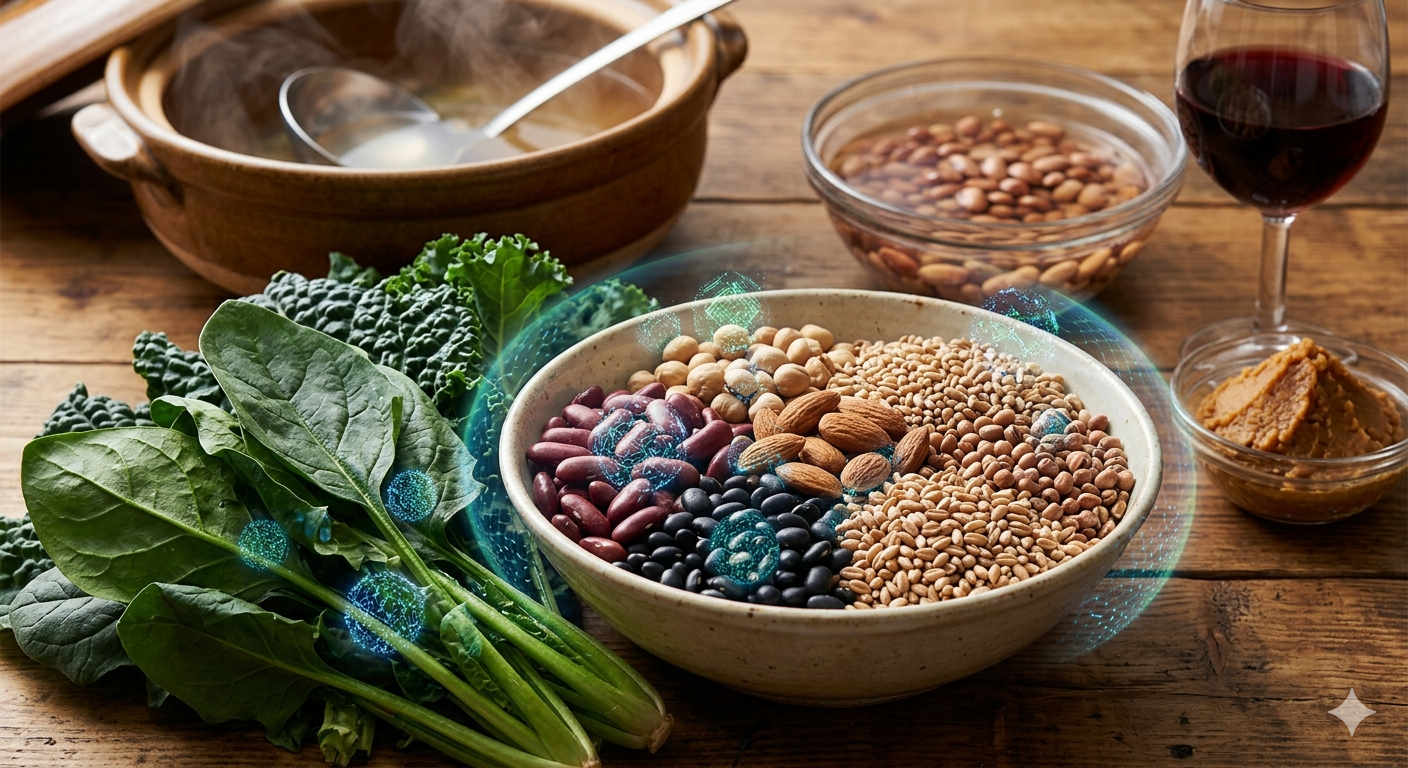
Plant foods are often described as gentle, natural, and healthy.
Fruits, vegetables, grains, legumes, nuts, seeds, herbs, and spices can provide fiber, vitamins, minerals, antioxidants, color, flavor, and variety. Many traditional diets around the world rely heavily on plant foods, and modern nutrition often encourages people to eat more whole plants.
But there is another side of the story that is less often discussed.
Plants are alive. They are not passive objects created only to feed humans.
Unlike animals, plants cannot run away, hide, bite, scratch, or fight in the same way. To survive, they developed other forms of defense. Many plants produce natural chemicals that help protect them from insects, fungi, bacteria, grazing animals, sunlight damage, and environmental stress.
Some of these compounds taste bitter, sour, spicy, or astringent. Some affect digestion. Some bind minerals. Some irritate pests. Some discourage animals from eating seeds before the plant can reproduce. Some may be harmful in large amounts or when foods are prepared incorrectly.
At the same time, many of these same compounds may have beneficial effects in small or moderate amounts. Some act as antioxidants. Some stimulate digestion. Some support flavor. Some are part of why herbs, spices, tea, coffee, berries, and colorful vegetables are so interesting.
This is the fascinating complexity of plant foods: the same compounds that help plants defend themselves can sometimes become part of human nourishment, medicine, cuisine, and pleasure.
The goal is not to fear plants. The goal is to understand them better.
Plants Are Not Defenseless
A common mistake in modern nutrition is imagining plant foods as simple packages of vitamins and fiber.
In reality, plants are active participants in nature. They interact with insects, animals, microbes, soil, sunlight, rainfall, and seasonal stress. Because they cannot escape danger physically, they use chemistry.
Plant defense chemicals can do many things:
Make leaves taste bitter
Make seeds harder to digest
Bind minerals
Discourage insects
Irritate the mouth or digestive tract
Protect against fungi or bacteria
Reduce damage from sunlight
Signal ripeness or danger
Create strong aromas that attract or repel animals
These chemicals are not “bad” by default. They are part of plant life.
Humans learned to deal with them through selection, cooking, soaking, peeling, grinding, fermenting, sprouting, drying, and combining foods. Traditional food preparation is partly the story of humans learning how to make plant foods safer, tastier, and more digestible.
This is one reason traditional kitchens matter so much.
A plant food is not only defined by what it contains. It is also defined by what humans do to it before eating.
What Are Plant Defense Chemicals?
Plant defense chemicals are natural compounds plants produce to protect themselves, communicate with the environment, or manage stress.
Some are found in leaves. Others are concentrated in seeds, skins, roots, stems, or unripe fruits. Some are reduced by cooking. Others are stable. Some are water-soluble and can be reduced by soaking or boiling. Others are part of flavor and remain in the food.
Common examples include:
Tannins
Phytates
Oxalates
Lectins
Saponins
Glucosinolates
Alkaloids
Cyanogenic glycosides
Protease inhibitors
Bitter compounds
Capsaicin
Polyphenols
Natural acids
Aromatic oils in herbs and spices
Some of these compounds are often called “anti-nutrients” because they can reduce absorption of certain nutrients or affect digestion. However, that term can be misleading if used too broadly. Many so-called anti-nutrients may also have beneficial roles in the right context.
The effect depends on the compound, the dose, the food, the preparation method, and the person eating it.
Why Plants Make These Compounds
Plants make defense compounds because they are trying to survive and reproduce.
Seeds are especially important. A seed is the plant’s future. Many plants protect their seeds with hard shells, bitter coatings, toxins, mineral-binding compounds, or digestive inhibitors. The goal is not to make life difficult for humans. The goal is to prevent the seed from being destroyed before it can grow.
Leaves also need protection because they are essential for photosynthesis. Roots need protection because they store energy. Fruits are more complicated: many plants want animals to eat ripe fruits and spread seeds, but they may discourage eating before ripeness.
This explains why unripe fruits are often sour, bitter, hard, or astringent. As they ripen, they become sweeter, softer, more fragrant, and more attractive.
Plant chemistry is not random. It is strategy.
Humans learned to read these strategies. We learned that bitterness could signal caution, but also medicine. We learned that sourness could mean unripe fruit, fermentation, or acidity. We learned that spice could be exciting in small amounts but painful in excess. We learned that seeds and grains often needed preparation.
Plant foods became part of human diets because humans learned how to negotiate with plant defenses.
Tannins: The Astringent Compounds
Tannins are compounds found in foods such as tea, coffee, wine, berries, pomegranates, unripe fruits, nuts, legumes, and some grains.
They create an astringent feeling in the mouth—the dry, puckering sensation you may notice when drinking strong tea or eating an unripe fruit.
For plants, tannins can discourage animals and insects from eating certain parts too aggressively. They may also protect against microbes and environmental stress.
For humans, tannins are complex. In large amounts, they can reduce absorption of some minerals such as iron. But tannin-rich foods also contribute flavor, color, and antioxidant activity. Tea, coffee, berries, and pomegranates are valued partly because of their polyphenol content, which includes tannin-like compounds.
The lesson is balance.
Tannins are not simply harmful or helpful. They are part of why plant foods taste layered and why preparation matters. For example, fermentation, ripening, roasting, soaking, or cooking can change the tannin experience in some foods.
A bitter, astringent plant may become enjoyable when prepared correctly.
Phytates: Mineral Binders in Seeds and Grains
Phytates, or phytic acid, are found mainly in seeds, grains, legumes, nuts, and some other plant foods. Plants use phytate to store phosphorus.
Phytates can bind minerals such as iron, zinc, calcium, and magnesium, which may reduce absorption under certain conditions. This is why phytates are often called anti-nutrients.
However, the story is not one-sided.
Phytate is part of whole plant foods, many of which also provide fiber, protein, minerals, and other beneficial compounds. In a varied diet, phytates are usually not a major concern for most healthy people. They become more important when someone relies heavily on unrefined grains or legumes without enough dietary diversity or proper preparation.
Traditional cultures often reduced phytate content through preparation methods such as soaking, sprouting, fermenting, and long cooking.
This is one reason sourdough, soaked beans, sprouted grains, and fermented batters appear in many traditional diets.
The wisdom is not necessarily to avoid grains and legumes. It is to prepare them well and eat them as part of a diverse diet.
Oxalates: Natural Compounds in Certain Greens and Plants
Oxalates are natural compounds found in foods such as spinach, beet greens, Swiss chard, rhubarb, almonds, sesame seeds, cocoa, some teas, and certain other plant foods.
For most people, moderate intake of oxalate-containing foods is not a problem. Many of these foods are nutrient-rich and can be part of a healthy diet.
However, oxalates can bind calcium and may matter more for people prone to certain types of kidney stones or those advised by a healthcare professional to follow a lower-oxalate diet.
Preparation can influence oxalate levels. Boiling some high-oxalate greens and discarding the cooking water may reduce soluble oxalates. Pairing oxalate-containing foods with calcium-containing foods may also affect absorption in the digestive tract.
The key is personalization.
Spinach is not “bad.” Almonds are not “bad.” Cocoa is not “bad.” But people with specific medical histories may need guidance.
This is an important principle of plant nutrition: a food can be healthy in general but still require caution for certain individuals.
Lectins: Plant Proteins That Need Context
Lectins are proteins that can bind to carbohydrates. They are found in many plant foods, especially legumes, grains, and some seeds.
Lectins are often discussed dramatically online, but the practical picture is more balanced.
Some lectins can be harmful if foods are eaten raw or undercooked. Red kidney beans are a well-known example: they must be properly cooked to reduce harmful lectins. This is not a reason to fear all beans. It is a reason to prepare them correctly.
Traditional cultures rarely ate beans raw. They soaked, boiled, simmered, fermented, or otherwise prepared them.
Cooking is powerful. Proper heat treatment can greatly reduce many problematic lectins in legumes.
This shows why traditional preparation matters more than internet fear. Beans and legumes have nourished many cultures for centuries, but they were usually treated as foods that require preparation.
The problem is not the existence of lectins. The problem is ignoring the preparation knowledge that makes certain foods edible.
Saponins: Bitter and Foamy Plant Compounds
Saponins are compounds found in foods such as quinoa, legumes, and some herbs. They can taste bitter and create a soapy foam when mixed with water.
For plants, saponins can help deter insects or other threats.
For humans, they are another example of dose and preparation. In some foods, saponins may contribute bitterness or digestive irritation. In other contexts, they may have biological effects that researchers continue to study.
Quinoa is a helpful example. Traditionally, quinoa is often rinsed well before cooking to reduce its bitter outer coating. This simple preparation step makes it more pleasant to eat.
Again, the lesson is not fear. The lesson is skill.
A traditional cook does not panic about bitter compounds. A traditional cook rinses, soaks, cooks, seasons, and learns how the food behaves.
Glucosinolates: Defense Compounds in Cruciferous Vegetables
Cruciferous vegetables include broccoli, cabbage, kale, cauliflower, Brussels sprouts, mustard greens, radishes, turnips, arugula, and related plants. These vegetables contain glucosinolates, compounds that contribute to their sharp, bitter, sulfur-like flavors.
When plant cells are damaged by chopping or chewing, glucosinolates can be transformed into other compounds. These compounds help protect the plant from pests, but they also contribute to the unique flavors and potential health effects of cruciferous vegetables.
Many people value cruciferous vegetables because they are nutrient-dense and rich in interesting plant compounds. However, they can cause gas or digestive discomfort in some people, especially when eaten raw or in large amounts.
Cooking can make them easier to digest for many individuals. Light steaming, sautéing, roasting, fermenting, or adding them to soups can change texture and flavor.
This is a perfect example of plant defense becoming cuisine. The sharpness of mustard, the bite of radish, the sulfur aroma of cabbage, and the bitterness of kale are all part of plant chemistry.
Humans learned to enjoy these flavors through preparation.
Alkaloids: Powerful Compounds in Small Amounts
Alkaloids are a broad group of plant compounds that can have strong effects. Some are found in foods and drinks such as coffee, tea, cocoa, peppers, and nightshade plants. Caffeine is one familiar alkaloid.
Some alkaloids are valued. Caffeine can increase alertness. Capsaicin in chili peppers creates heat and is part of many traditional cuisines. Other alkaloids can be toxic in larger amounts or in specific plant parts.
Nightshade plants such as potatoes, tomatoes, eggplants, and peppers contain various natural compounds. Most people tolerate common edible nightshades well when prepared properly. However, green potatoes or potato sprouts can contain higher levels of glycoalkaloids and should be avoided.
This illustrates an important point: the plant part matters.
A ripe tomato is not the same as the leaves of the tomato plant. A properly stored potato is not the same as a green, sprouted potato. A tiny amount of spice is not the same as a toxic dose of a plant compound.
Traditional food knowledge often includes knowing which part of a plant is edible and which part is not.
Cyanogenic Glycosides: Why Some Plants Require Careful Preparation
Some plants contain compounds called cyanogenic glycosides, which can release cyanide under certain conditions. This sounds alarming, but many traditional food cultures learned how to process such foods safely.
Cassava is one of the best-known examples. It is a major staple food in many parts of the world, but some varieties require careful preparation to reduce toxic compounds. Traditional methods may include peeling, soaking, grating, fermenting, pressing, drying, and cooking.
This is one of the strongest examples of traditional food wisdom.
A plant that could be dangerous if eaten incorrectly became an important food because humans developed preparation methods. Without that knowledge, the food would not be safe. With proper knowledge, it could help feed millions.
This shows why the phrase “natural food” is not enough. Some natural foods require human skill.
Nature provides ingredients. Culture provides methods.
Capsaicin: The Chemical Heat in Chili Peppers
Capsaicin is the compound that gives chili peppers their heat.
For the plant, capsaicin helps discourage certain animals and microbes. For humans, it became one of the world’s most beloved flavor experiences.
Chili peppers show how plant defense can become pleasure. What causes burning or irritation in one context becomes excitement, appetite, and cultural identity in another.
Spicy foods are central to many cuisines. They can make simple staples more satisfying, stimulate the senses, and create memorable meals.
But capsaicin is not for everyone. Some people love it. Others experience reflux, stomach discomfort, sweating, or irritation. Tolerance varies widely.
The lesson is personalization.
A plant compound can be enjoyable and useful for one person while uncomfortable for another.
Bitter Compounds: Why Bitterness Matters
Many plant defense chemicals taste bitter.
Modern food culture often avoids bitterness. It favors sweetness, saltiness, softness, and mild flavors. But traditional diets often included bitter greens, herbs, teas, roots, spices, and medicinal plants.
Bitterness can signal danger in nature, but it can also signal complexity. Many bitter foods contain bioactive compounds that contribute to flavor and traditional use.
Examples include bitter greens, dandelion, arugula, radicchio, mustard greens, certain herbs, citrus peel, coffee, tea, cocoa, and some spices.
Learning to enjoy mild bitterness can expand the diet. Bitter foods can balance rich meals, stimulate appetite for some people, and add sophistication to cuisine.
However, bitterness also requires knowledge. Not every bitter plant is edible. Traditional cultures often knew which bitter foods were safe and how to prepare them.
The modern lesson is not to eat random bitter plants. It is to appreciate safe bitter foods as part of food diversity.
Polyphenols: Defense Compounds with Potential Benefits
Many plant compounds that help defend plants are also studied for possible health-supporting roles in humans. Polyphenols are a broad category found in foods such as berries, tea, coffee, cocoa, herbs, spices, olives, grapes, apples, and many colorful plant foods.
Polyphenols may help plants manage stress, protect against UV light, resist pests, or create color and bitterness. In the human diet, they contribute to flavor, color, and antioxidant activity.
This is where the plant defense story becomes especially interesting.
A compound made by a plant to protect itself may become part of why humans value that plant.
For example, the bitterness of cocoa, the astringency of tea, the color of berries, and the aroma of herbs are all connected to plant chemistry.
The goal is not to isolate every compound into a supplement. The traditional way is simpler: eat a varied diet that includes colorful, flavorful, minimally processed plant foods you tolerate well.
Are Plant Defense Chemicals Dangerous?
Most plant defense chemicals are not dangerous in normal food amounts for most people when foods are properly prepared.
The body has many ways to handle natural food compounds. Humans have been eating plants for a very long time. Traditional cooking and preparation methods further reduce risks.
However, there are situations where caution matters:
Eating raw or undercooked beans
Eating green or sprouted potatoes
Relying heavily on one plant food without variety
Having a history of kidney stones and high oxalate intake
Having mineral deficiencies with a diet high in poorly prepared grains or legumes
Eating unknown wild plants
Consuming large amounts of concentrated plant extracts
Having digestive disorders or food sensitivities
Ignoring traditional preparation methods for foods that require them
The danger is usually not ordinary vegetables, fruits, grains, nuts, or legumes eaten as part of a balanced diet. The bigger risk is misunderstanding context.
A compound that is harmless in a normal serving of food may not be harmless as a concentrated extract. A food that is safe when cooked may not be safe raw. A plant part that is edible may differ from another plant part that is not.
Knowledge matters.
Why Traditional Preparation Is So Important
Traditional preparation methods often reduce or transform plant defense compounds.
Soaking can help remove some water-soluble compounds.
Cooking can deactivate certain proteins or reduce irritants.
Fermentation can transform grains, legumes, and vegetables.
Sprouting can change seeds and grains.
Peeling can remove skins with higher concentrations of certain compounds.
Boiling and discarding water can reduce some compounds in certain vegetables.
Grinding and cooking can make foods more digestible.
Combining foods can improve balance and tolerance.
This is why traditional diets often included careful preparation steps.
Beans were soaked and cooked. Grains were fermented or boiled. Vegetables were cooked, pickled, or seasoned. Cassava was processed carefully. Quinoa was rinsed. Dairy was fermented. Seeds were ground or soaked. Bitter plants were used in specific ways.
Modern convenience sometimes skips these steps. That can make some plant foods harder to digest or less enjoyable.
Traditional food wisdom teaches that preparation is part of the food.
Why “Anti-Nutrient” Can Be a Misleading Term
The term “anti-nutrient” is often used to describe compounds that reduce nutrient absorption or affect digestion. It can be useful in specific contexts, but it can also create unnecessary fear.
Many so-called anti-nutrients are part of nutritious foods. Phytates are found in whole grains, legumes, nuts, and seeds. Tannins are found in tea, berries, and other valued foods. Glucosinolates are found in cruciferous vegetables. Oxalates are found in spinach and other plant foods.
If we call all these compounds “bad,” we miss the bigger picture.
Food is complex. A compound may reduce absorption of one mineral while also having other biological effects. A food may contain an anti-nutrient but also provide fiber, protein, minerals, and protective plant compounds. Preparation may reduce the compound. A varied diet may balance the effect.
The question should not be, “Does this food contain anti-nutrients?”
A better question is:
How much does it contain?
How often do I eat it?
How is it prepared?
What else is in my diet?
Do I have a health condition that changes my needs?
Does my body tolerate it?
This approach is more useful and less fear-based.
The Dose Makes the Difference
Many plant defense compounds follow a simple principle: dose matters.
A small amount of a bitter compound may add flavor. A large amount may be unpleasant. A moderate amount of tannin-rich tea may be enjoyable. Excessive intake may interfere with iron absorption for some people. A few chili peppers may excite a meal. Too much can irritate. A serving of spinach may fit well. Very high oxalate intake may not suit someone prone to kidney stones.
This is why traditional cuisines often use strong plant foods in small amounts.
Herbs, spices, bitter greens, fermented foods, sour condiments, and pungent plants are often used to balance meals, not dominate them.
Modern supplement culture sometimes ignores dose. It concentrates plant compounds into capsules, powders, extracts, and high-dose products. These may affect the body differently from whole foods.
A plant compound in a traditional meal is not the same as the same compound in a concentrated supplement.
Food context matters.
Plant Defense Chemicals Can Make Food More Interesting
Without plant defense chemicals, food would be much less interesting.
The bitterness of coffee, the heat of chili, the bite of mustard, the sharpness of radish, the aroma of herbs, the astringency of tea, the color of berries, the tang of pomegranate, and the pungency of garlic and onions all come from plant chemistry.
These compounds create cuisine.
They help turn basic foods into memorable meals. Rice becomes exciting with herbs and chili. Beans become satisfying with spices and garlic. Vegetables become interesting with mustard, vinegar, or fermented condiments. Meat becomes balanced with bitter greens and herbs. Bread becomes deeper with olives, seeds, or sour flavors.
Plant defense chemicals are not only obstacles. They are part of the sensory richness of traditional diets.
Humans learned to transform defense into flavor.
That is one of the great achievements of food culture.
Who Should Pay More Attention?
Most people do not need to obsess over plant defense chemicals. A varied diet with properly prepared foods is usually enough.
However, some people may need more awareness:
People with kidney stone history may need guidance on oxalates.
People with iron deficiency may need to consider tea, coffee, phytates, and meal timing.
People with digestive disorders may react to certain fibers, legumes, or raw vegetables.
People with celiac disease must avoid gluten-containing grains.
People with food allergies must avoid specific foods completely.
People with thyroid concerns may need personalized guidance around very high intakes of certain raw cruciferous vegetables.
People eating highly restricted diets may need to ensure mineral adequacy.
People using concentrated plant supplements should be cautious.
This is not about fear. It is about matching food choices to individual needs.
If a specific medical concern exists, professional guidance is best.
How to Eat Plant Foods Wisely
You can enjoy plant foods while respecting their complexity.
Eat variety
Do not rely on one plant food constantly. Rotate vegetables, fruits, grains, legumes, nuts, seeds, herbs, and spices.
Prepare foods well
Soak beans. Cook legumes thoroughly. Rinse quinoa. Cook high-fiber vegetables if raw versions bother you. Try fermented or sprouted forms if appropriate.
Use traditional methods
Fermentation, soaking, sprouting, boiling, roasting, and slow cooking all exist for reasons.
Pay attention to your body
Gas, bloating, reflux, discomfort, cravings, or fatigue may provide clues. They do not always mean the food is bad, but they may suggest adjusting preparation, portion, or frequency.
Do not fear all anti-nutrients
Many foods containing anti-nutrients are valuable. Context matters.
Be careful with wild plants
Do not eat unknown wild plants without expert knowledge.
Avoid extreme claims
Anyone saying all plants are toxic or all plant compounds are harmless is oversimplifying.
A wise diet respects both benefits and limits.
A Practical Preparation Guide
Here are simple ways to handle common plant foods:
Beans and legumes
Soak when appropriate, rinse, cook thoroughly, and season well. Start with small portions if you are not used to them.
Whole grains
Try soaking, fermenting, sprouting, or choosing traditionally prepared forms such as sourdough or fermented batters.
Cruciferous vegetables
Cook them if raw versions cause discomfort. Try steaming, roasting, sautéing, fermenting, or adding to soups.
High-oxalate greens
Use variety. Rotate spinach with other greens. People with kidney stone history should seek personalized advice.
Nuts and seeds
Eat reasonable portions. Soaking may improve texture and tolerance for some people.
Bitter greens
Pair with acid, fat, herbs, or protein. Bitterness becomes more enjoyable when balanced.
Spices and herbs
Use them as flavor tools, but do not assume more is always better.
Common Myths About Plant Defense Chemicals
Myth 1: Plant defense chemicals make plants unhealthy
Not true. Many plant foods contain defense compounds and are still valuable parts of human diets.
Myth 2: Anti-nutrients should always be avoided
Not necessarily. Many anti-nutrient-containing foods provide important nutrients and can be prepared in ways that reduce concerns.
Myth 3: Raw plant foods are always best
Some plant foods are excellent raw, but others are safer, more digestible, or more enjoyable when cooked or prepared.
Myth 4: Traditional preparation is unnecessary
Traditional preparation often developed because certain foods needed soaking, cooking, fermenting, peeling, or careful handling.
Myth 5: All plant compounds are safe because they are natural
Natural does not automatically mean safe. Dose, plant part, preparation, and individual health matter.
Conclusion
Plant foods are not simple.
They are living foods that come from living organisms with their own survival strategies. Many plants produce defense chemicals to protect themselves from insects, animals, microbes, and environmental stress. These compounds can taste bitter, spicy, sour, sharp, or astringent. They can affect digestion, mineral absorption, safety, and flavor.
But this does not mean plant foods should be feared.
It means plant foods should be understood.
Humans have always interacted with plant defenses through culture and preparation. We cooked, soaked, fermented, peeled, sprouted, ground, boiled, dried, and combined plant foods to make them more useful. We turned bitterness into cuisine, spice into pleasure, fermentation into preservation, and seeds into staples.
The most balanced view is this:
Plant foods can be deeply nourishing.
Plant defense chemicals are real.
Preparation matters.
Dose matters.
Personal tolerance matters.
Traditional wisdom matters.
Fear-based nutrition is not helpful.
Instead of asking whether plants are good or bad, ask how they are prepared, how much you eat, how your body responds, and how they fit into the whole diet.
The surprising truth is that many plant defense chemicals are not just obstacles. They are part of what makes plant foods flavorful, colorful, complex, and culturally powerful.
A wise eater does not fear plants. A wise eater learns how to work with them.
Disclaimer: This article is for educational purposes only and is not medical advice. Plant foods and plant compounds may affect individuals differently. If you have kidney stones, digestive disorders, food allergies, thyroid concerns, mineral deficiencies, pregnancy-related questions, or specific dietary needs, consult a qualified healthcare professional before making major dietary changes.